
Written by: Natalie Gonzalez
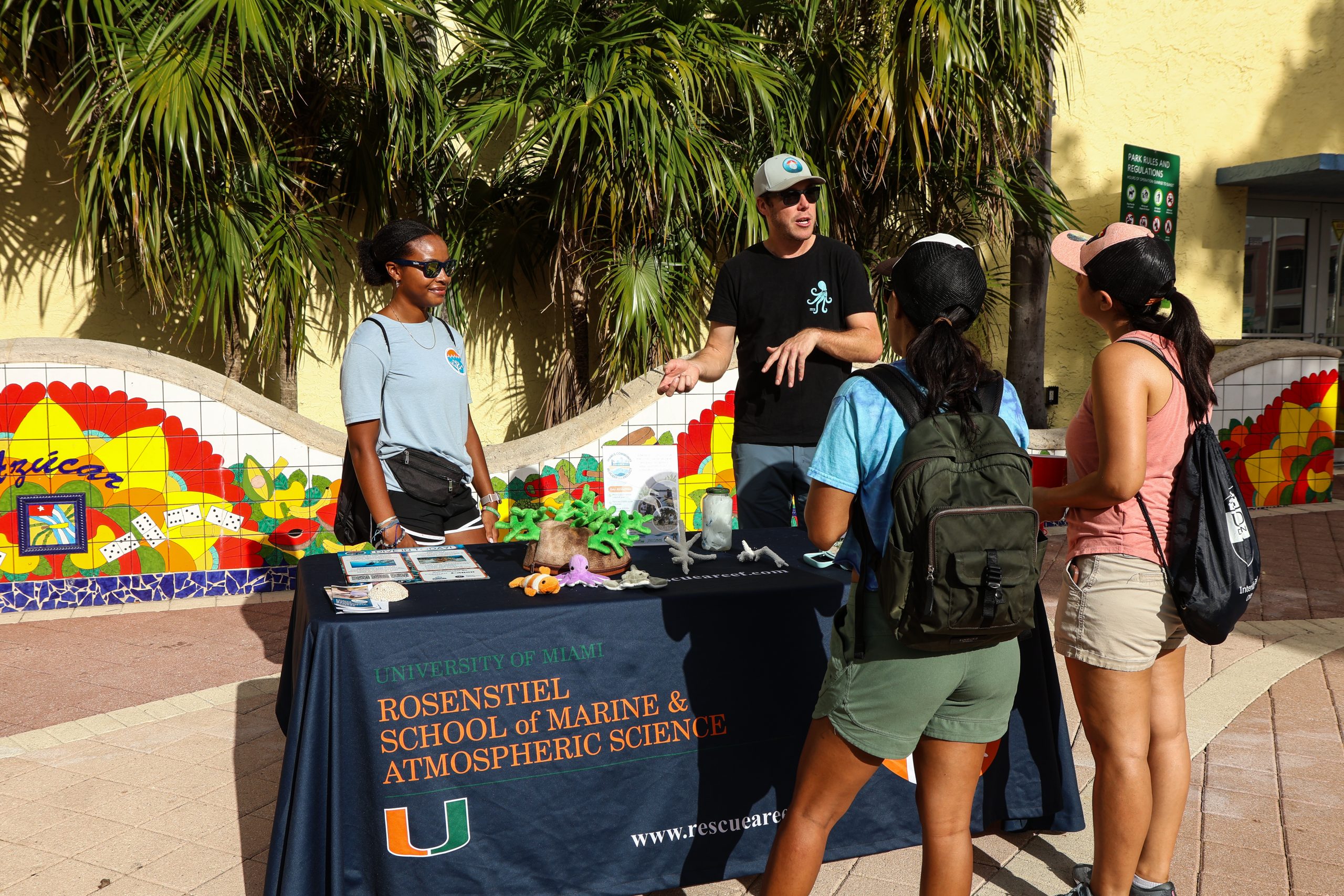
This summer marked the launch of the Miami Community ResilientSea Project, a three-year initiative that unites science, education, and grassroots action to advance climate resilience across Miami-Dade County. The project is a collaboration between key organizations including The CLEO Institute, Black Women in Ecology, Evolution, and Marine Science (BWEEMS), Rescue a Reef program, Debris Free Oceans, Phillip and Patricia Frost Frost Museum of Science,and Miami Waterkeeper to addresses urgent environmental challenges through inclusive engagement, ecological restoration, citizen science, and community empowerment.
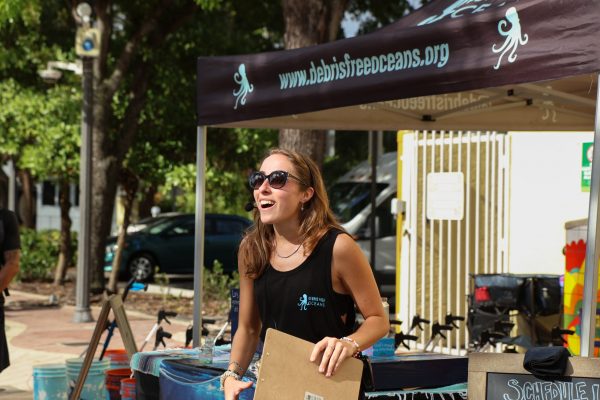
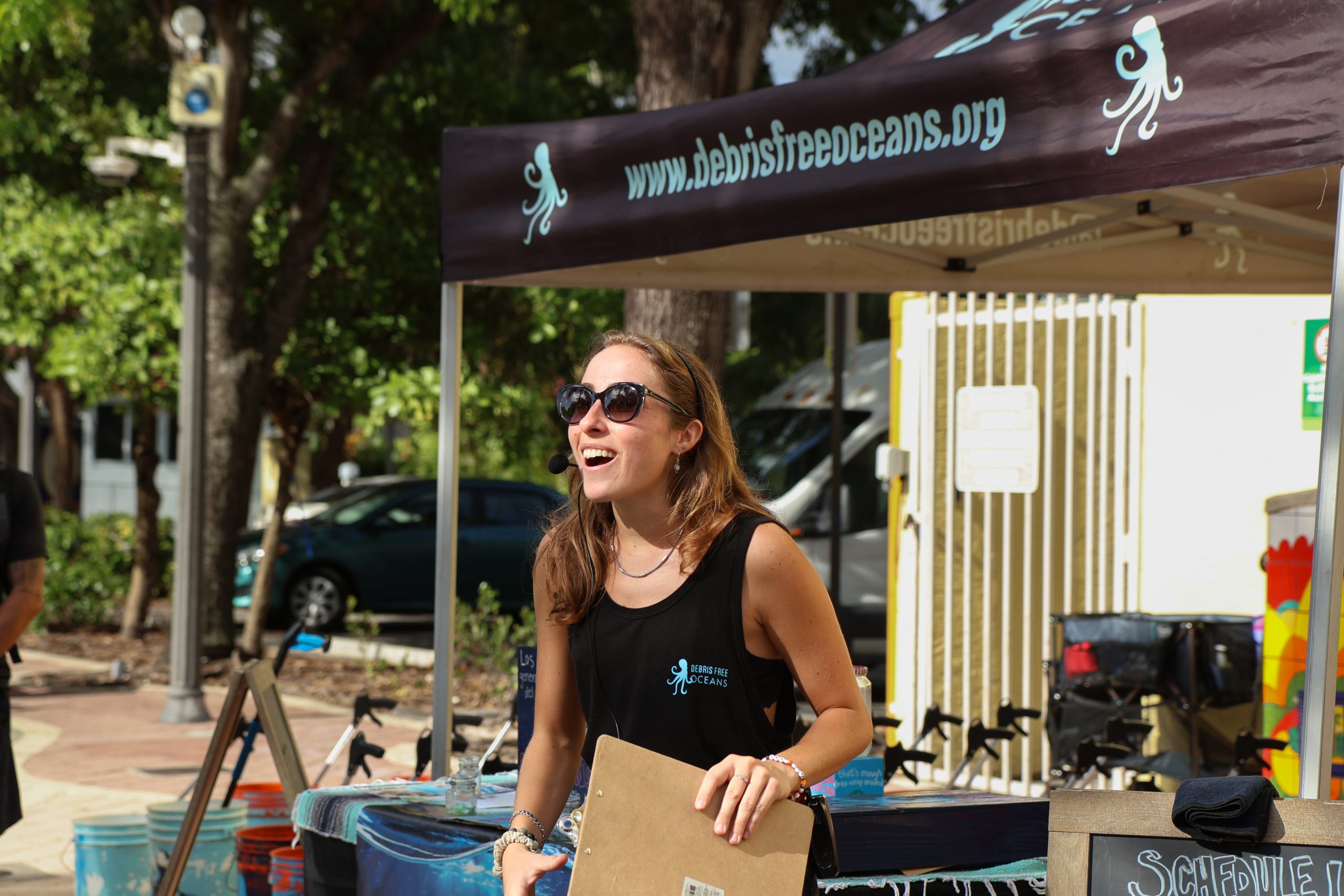
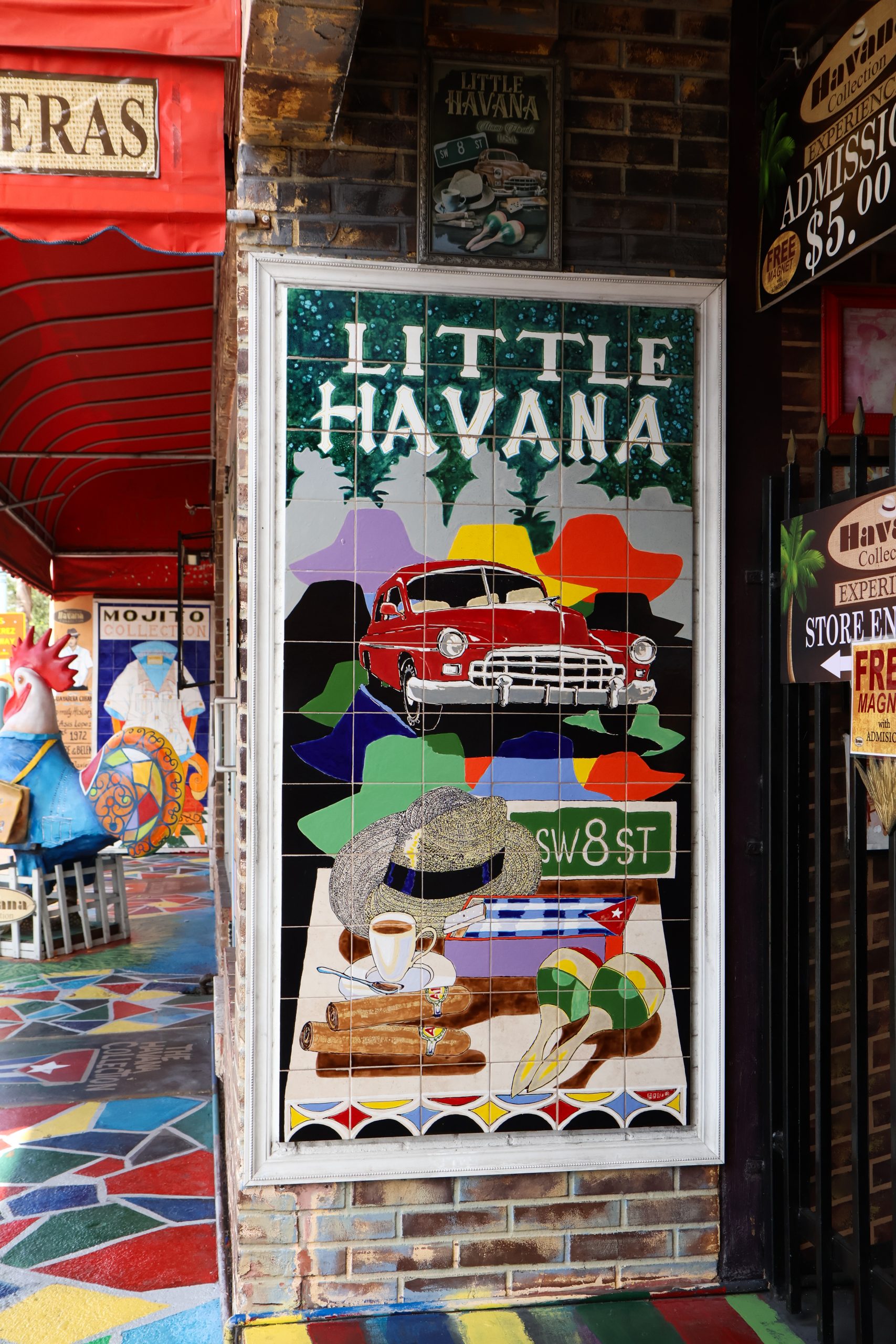
As part of this initiative, each nonprofit partner hosts a dedicated intern each year to lead environmental projects within their organization. At Debris Free Oceans, this brought new energy to our mission through a series of four inland community cleanups in Little Havana, a neighborhood that represents the heart of Miami’s Cuban and Latinx heritage. Little Havana has long been a gathering place for immigrant communities, shaping the city’s identity through its food, music, art, and vibrant public life. Its streets tell stories of resilience, creativity, and cultural pride, making it a vital part of Miami’s social and cultural fabric.
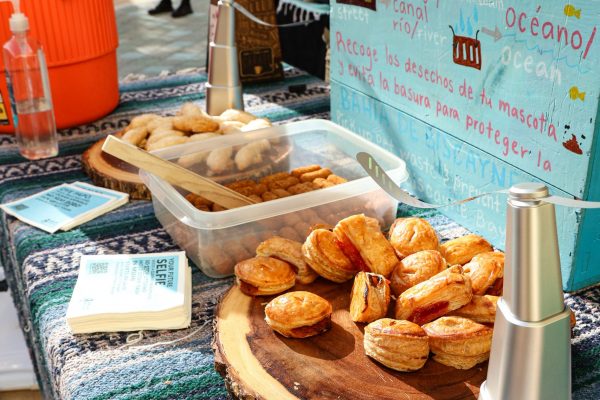
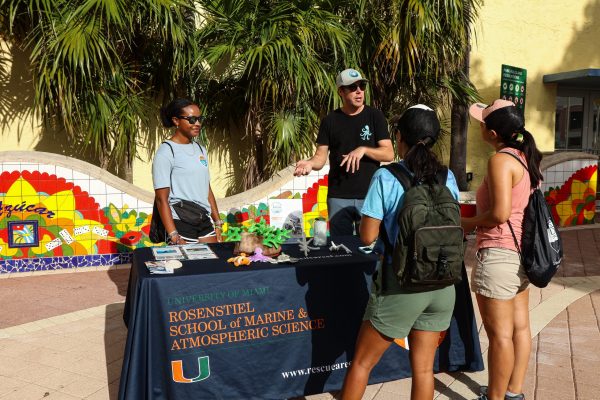
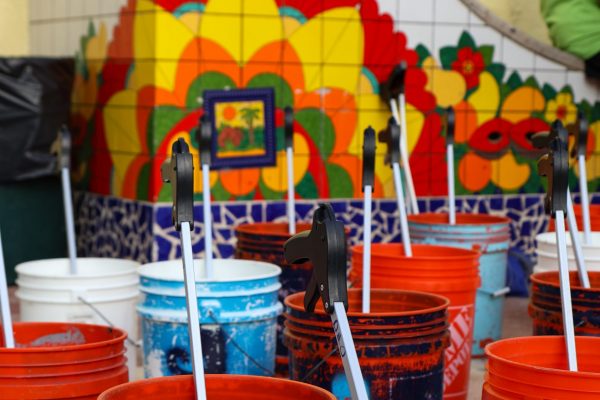
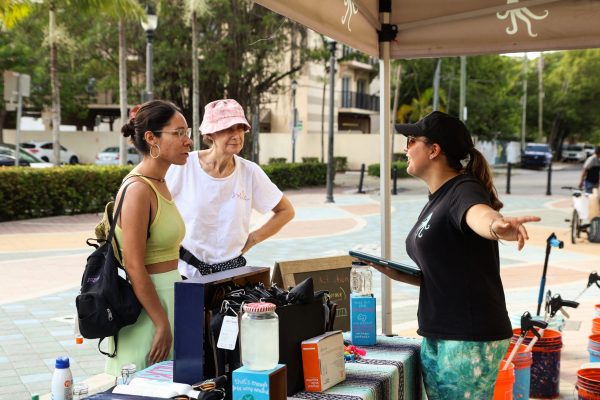
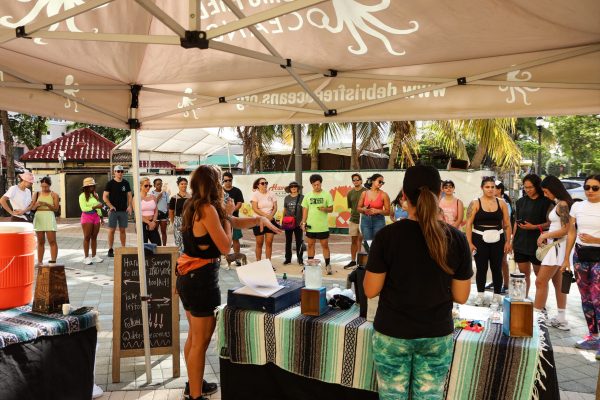
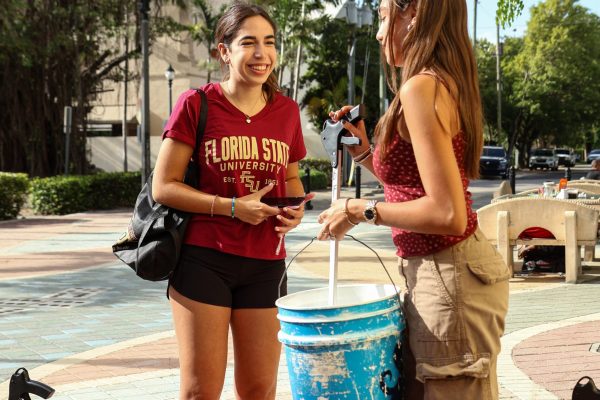
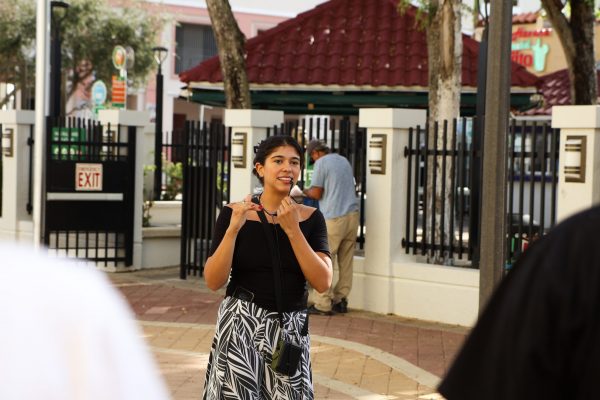
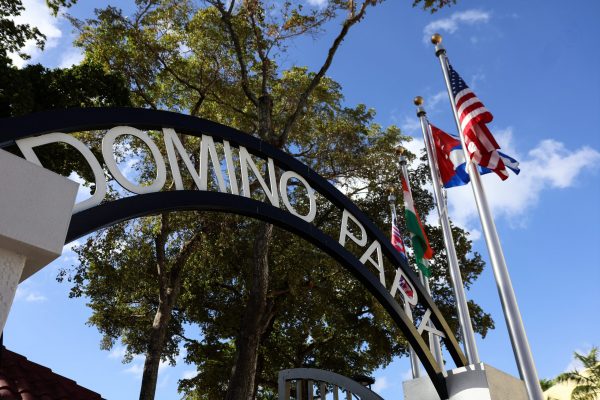
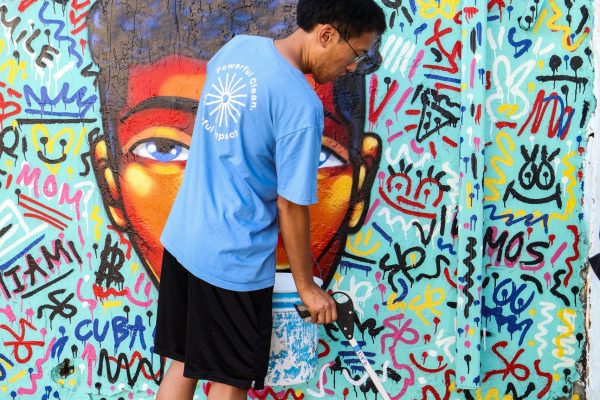
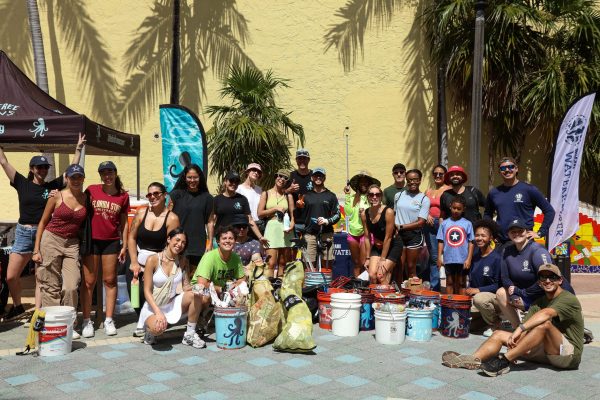
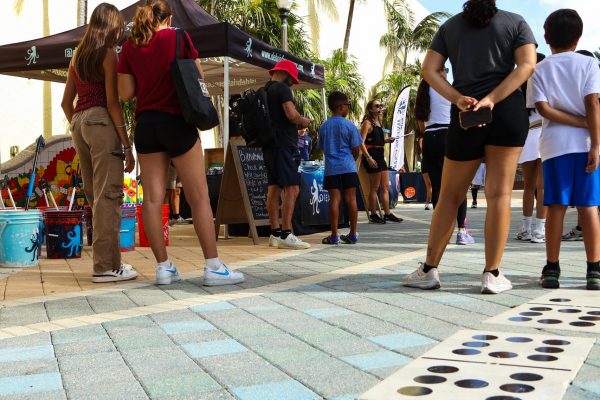
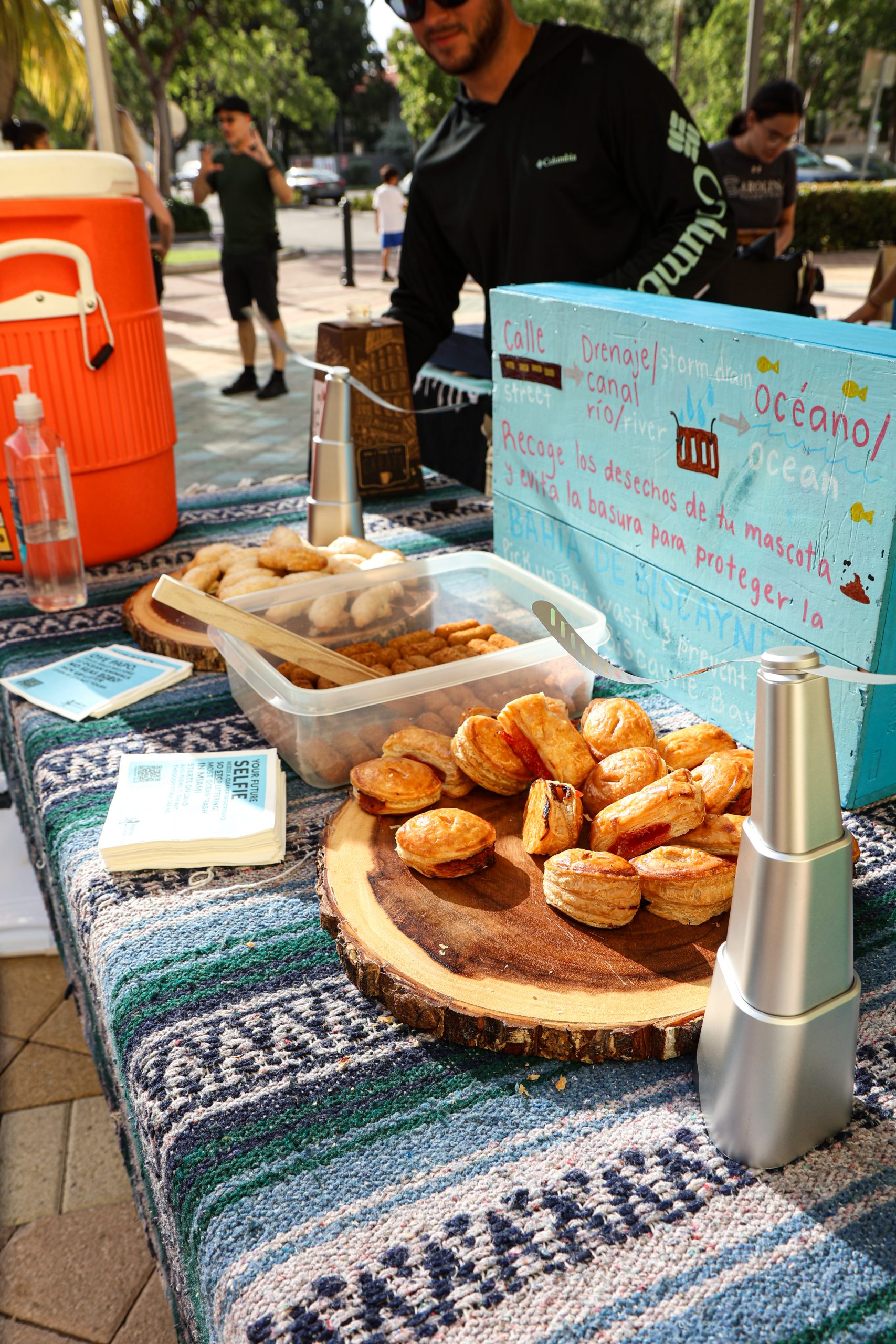
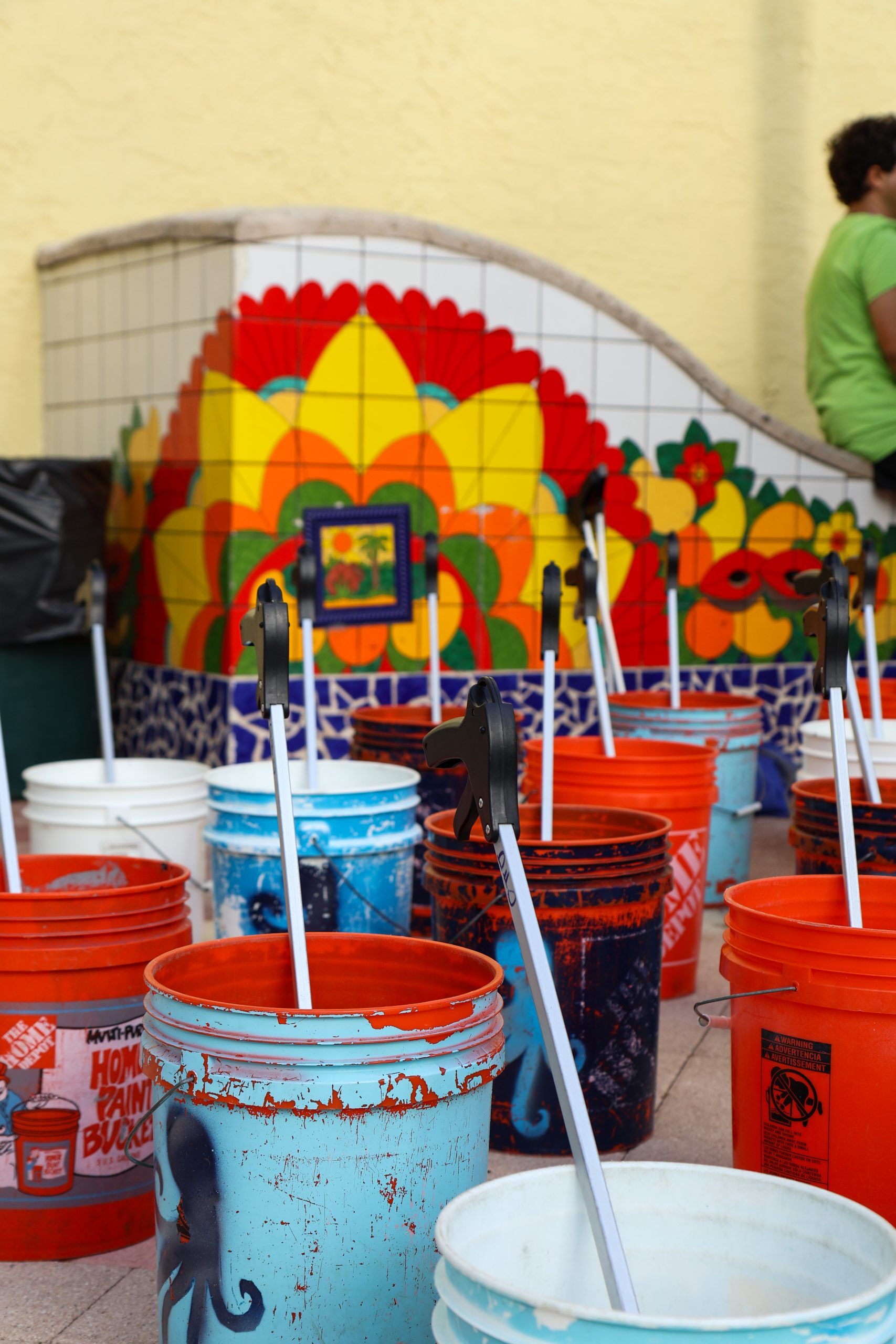
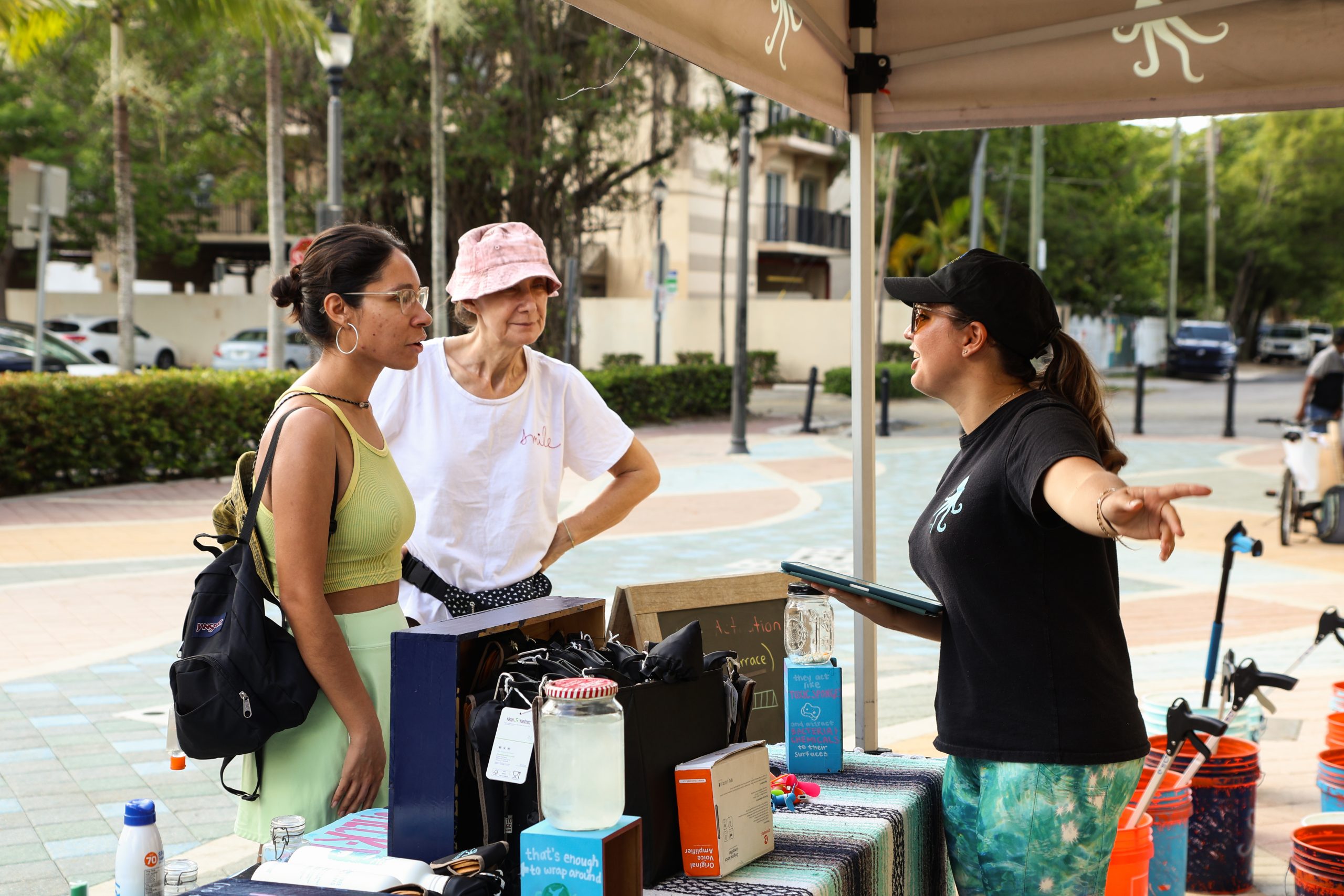
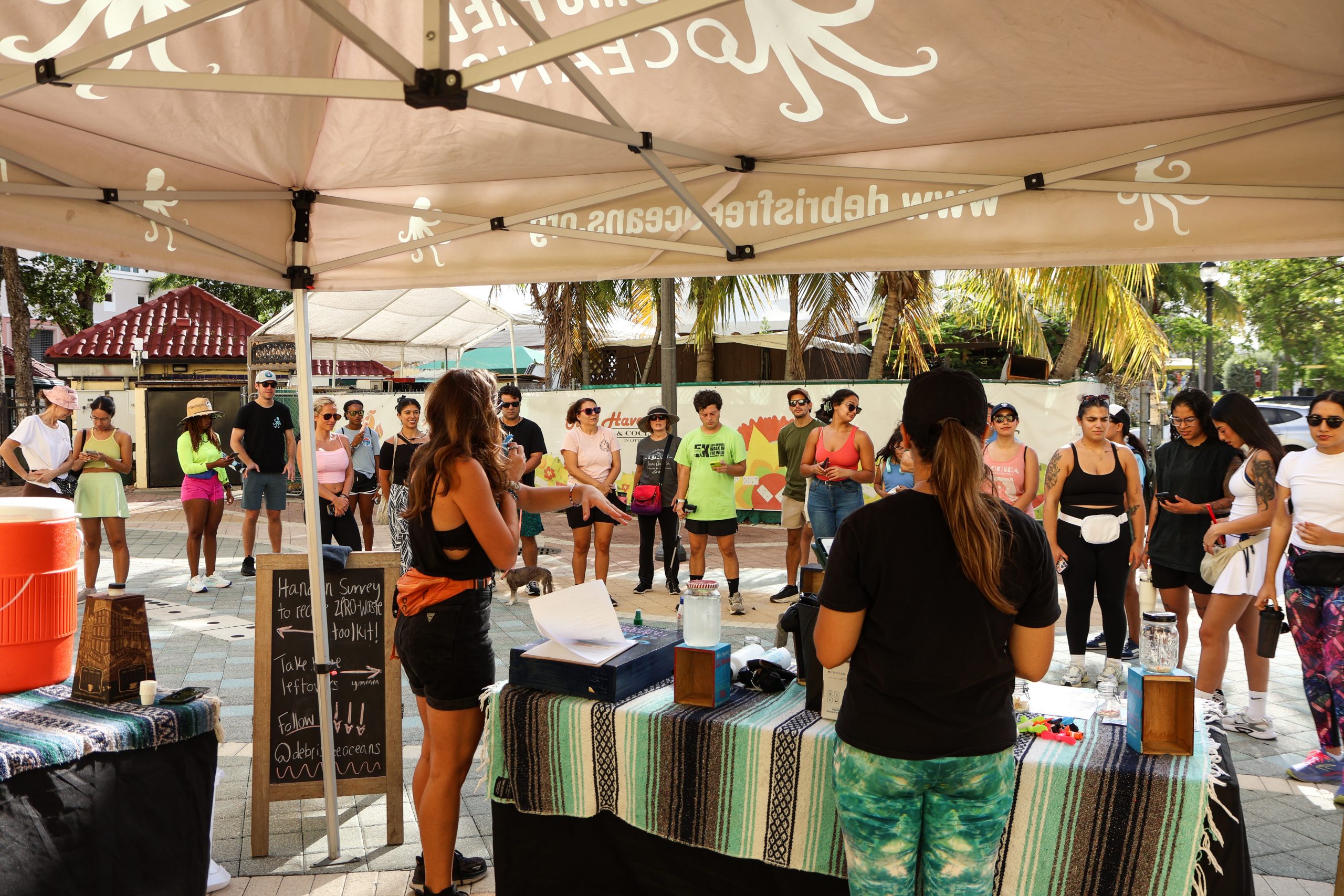
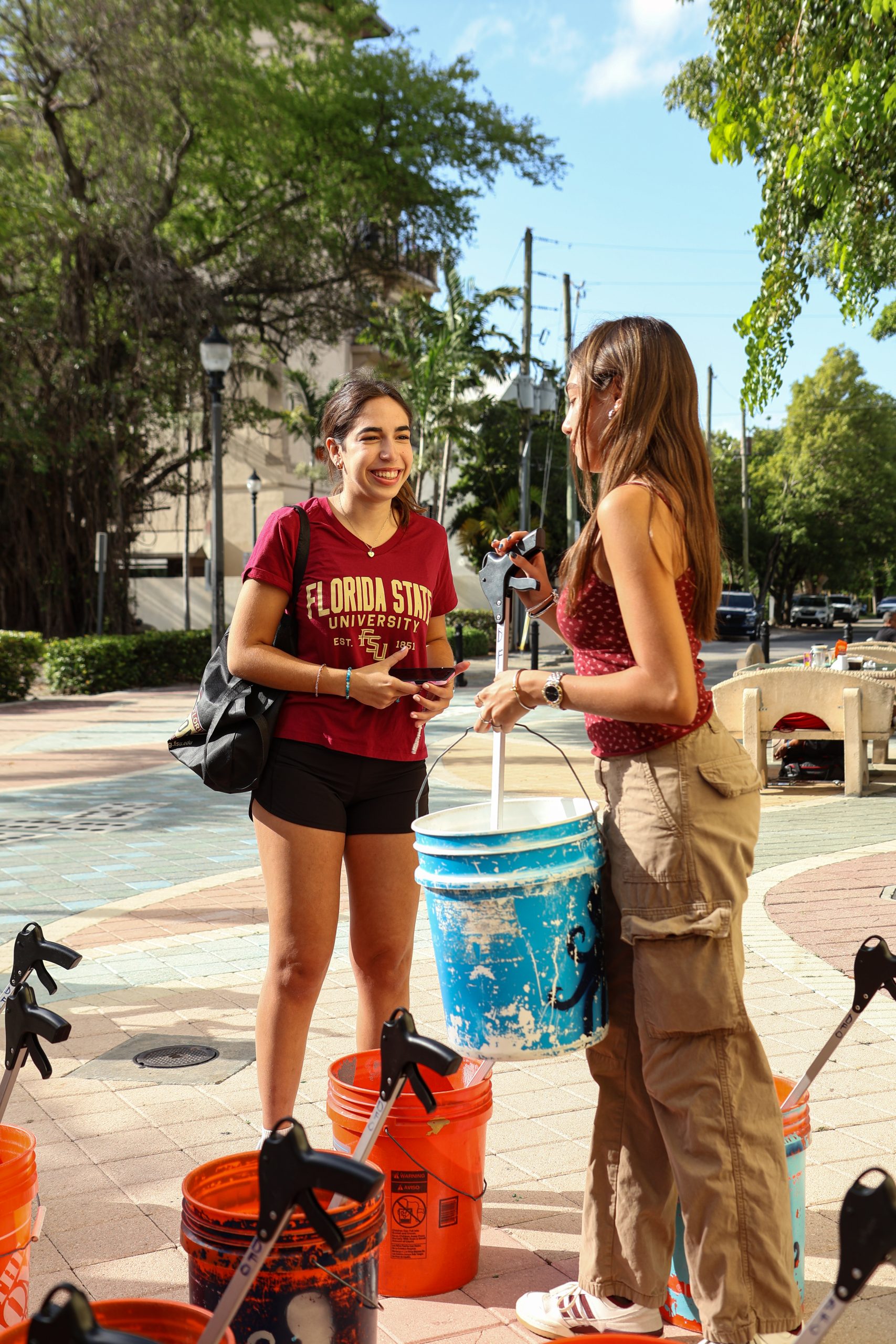
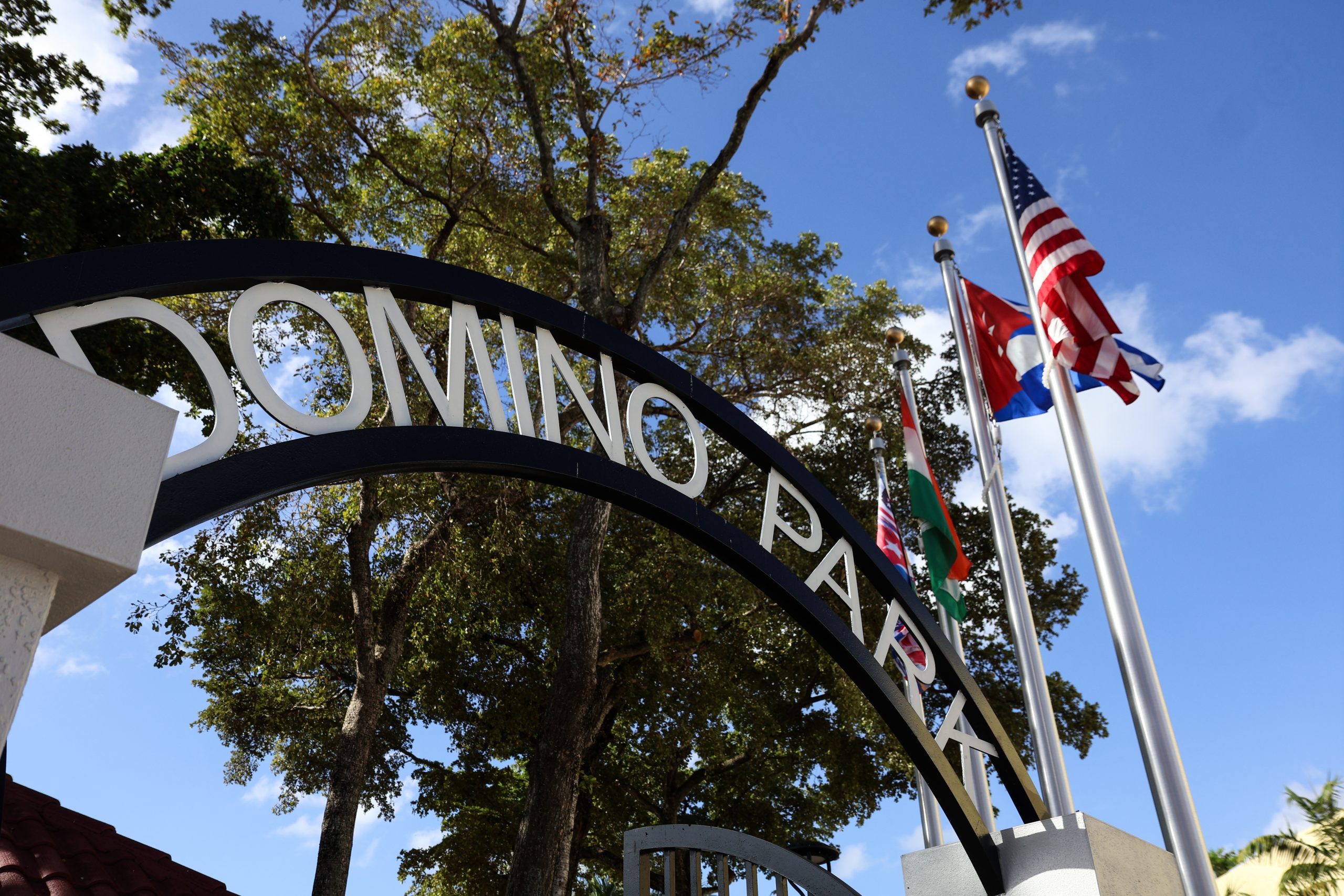
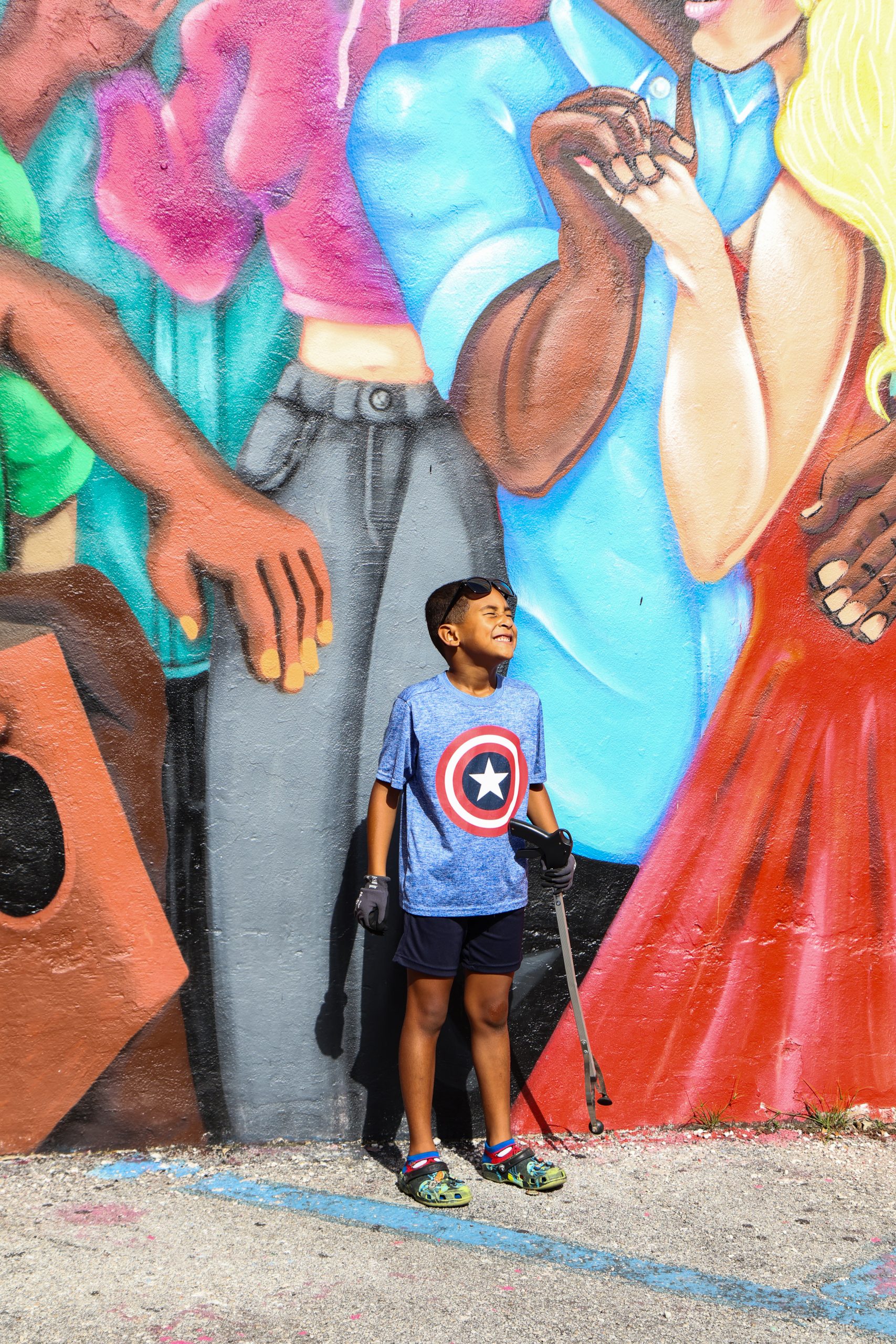
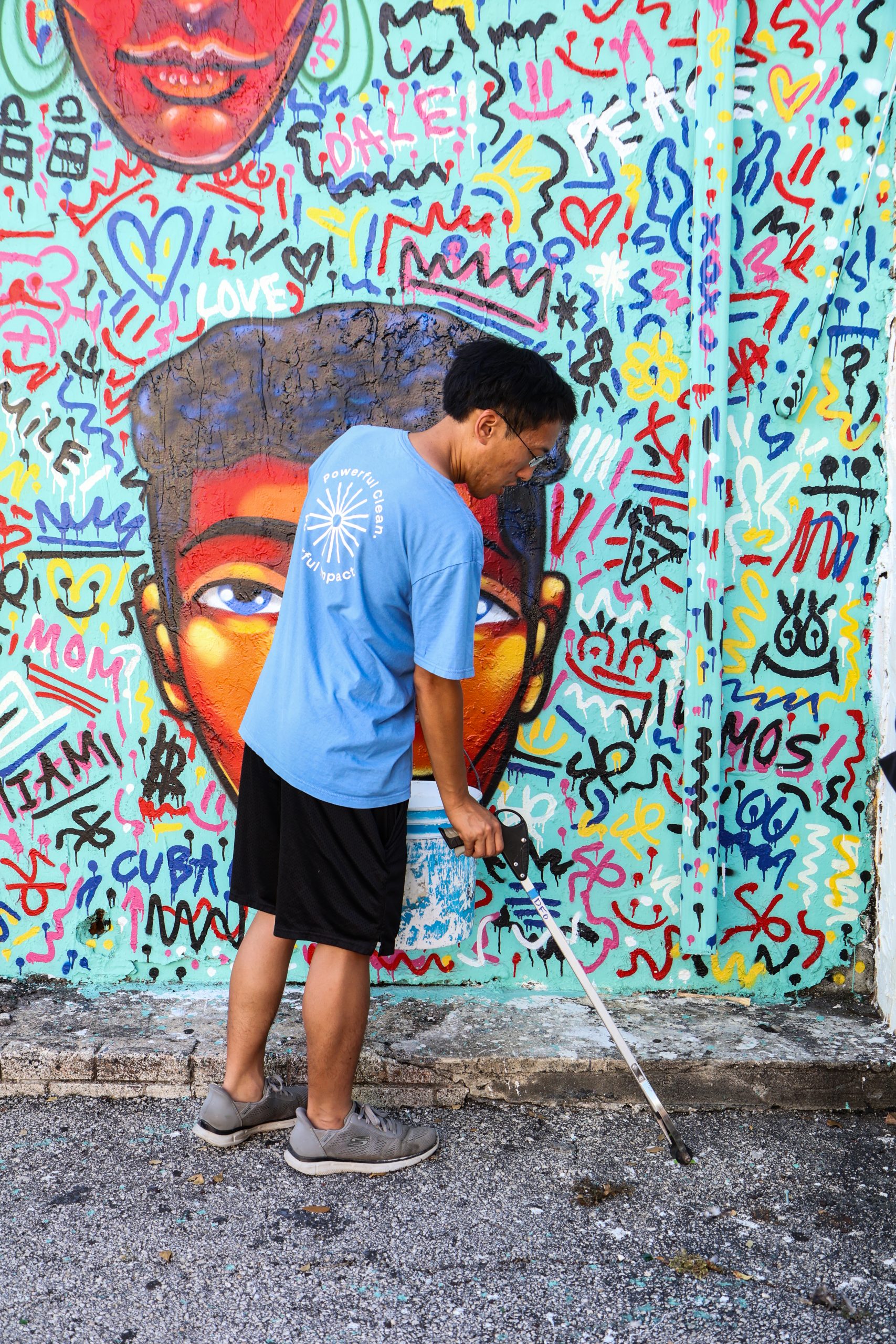
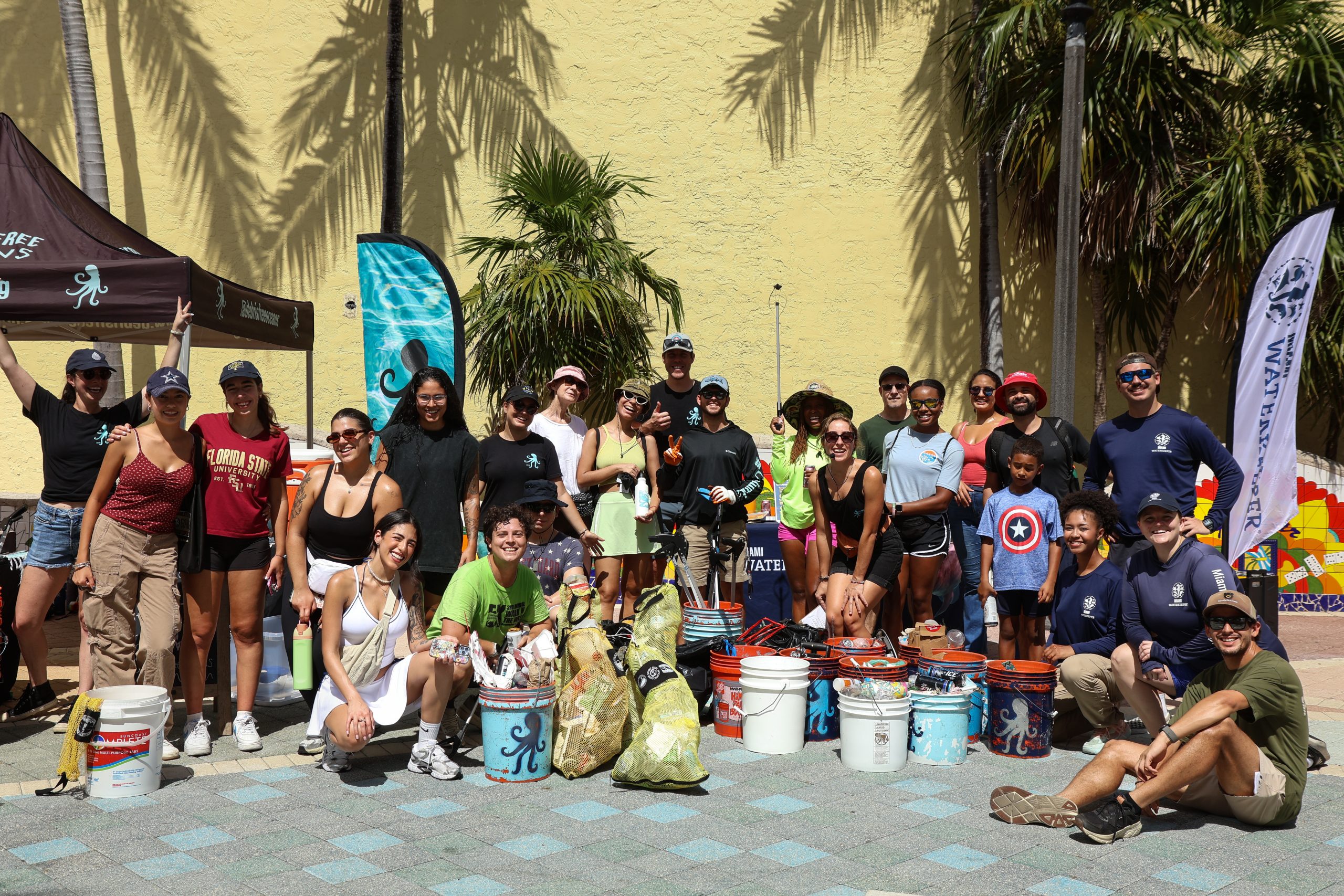
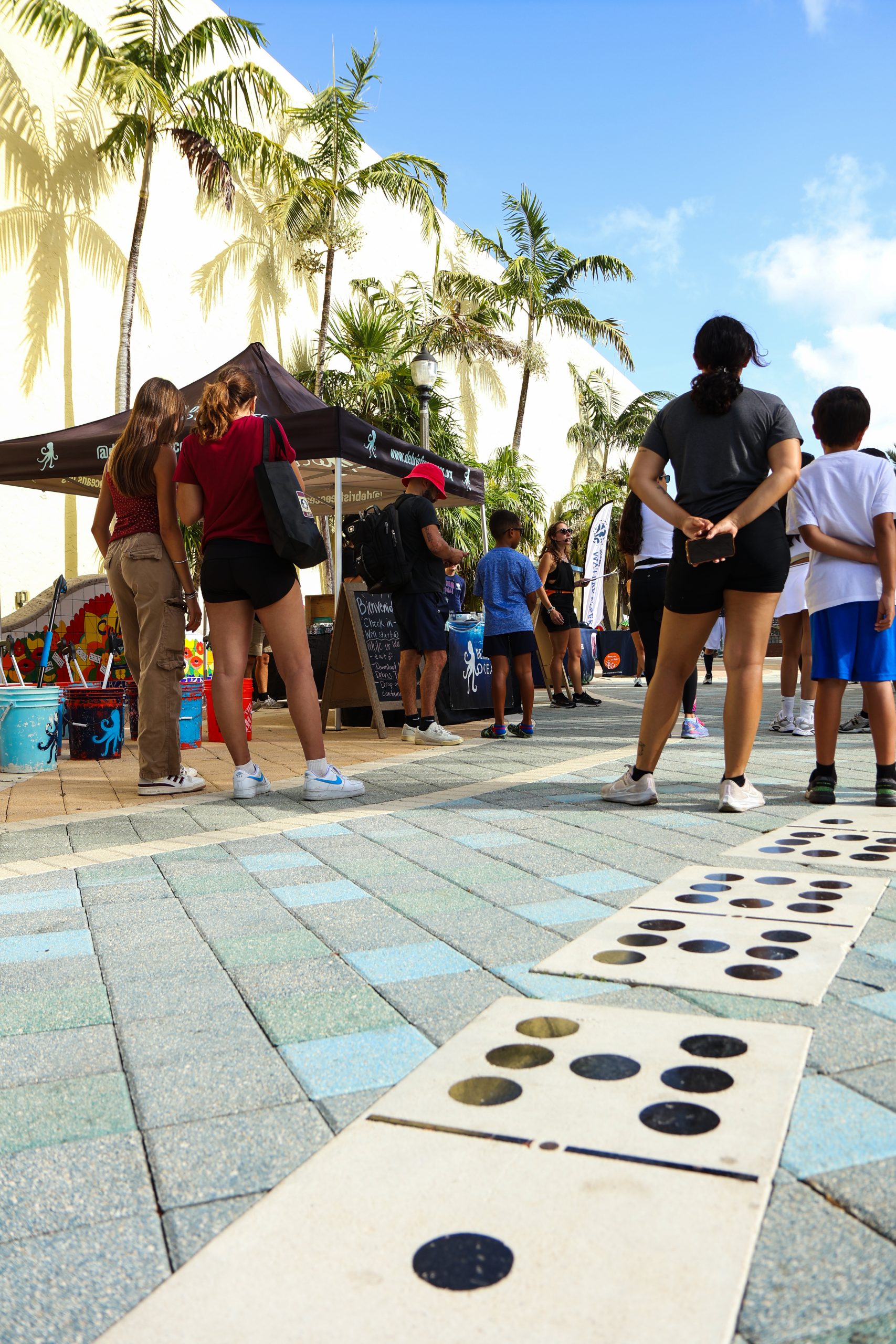
The first event was the Little Havana Walking Tour Cleanup, held at Domino Park, a popular spot in Little Havana. Volunteers enjoyed a historical walking tour of “Calle Ocho” before participating in a neighborhood cleanup. Thanks to their dedication, we removed 206 pounds of debris and logged 2,010 individual items, mostly lightweight, single-use plastics such as bottle caps, cigarette butts, and food wrappers. Items was recorded in the Marine Debris Tracker App, contributing meaningful community science data that helps track pollution trends and identify sources of waste over time. Volunteers who submitted their tracked items and completed a post-event survey received custom zero-waste toolkits, including a reusable water bottle, a bamboo utensil kit, and a reusable bag.
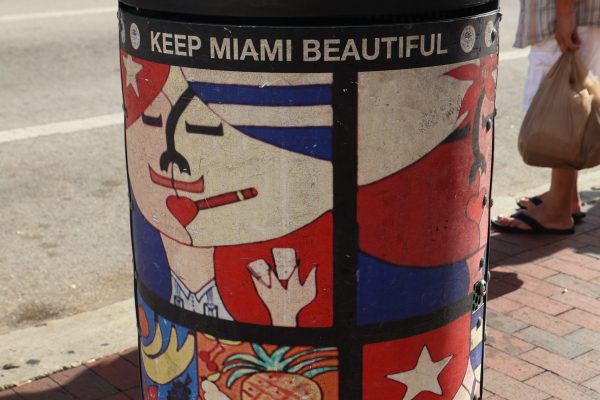
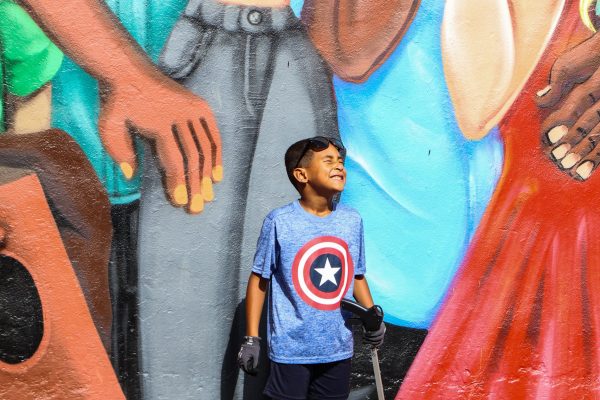
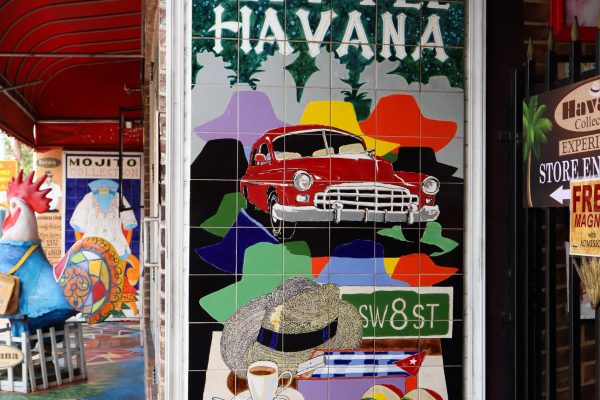
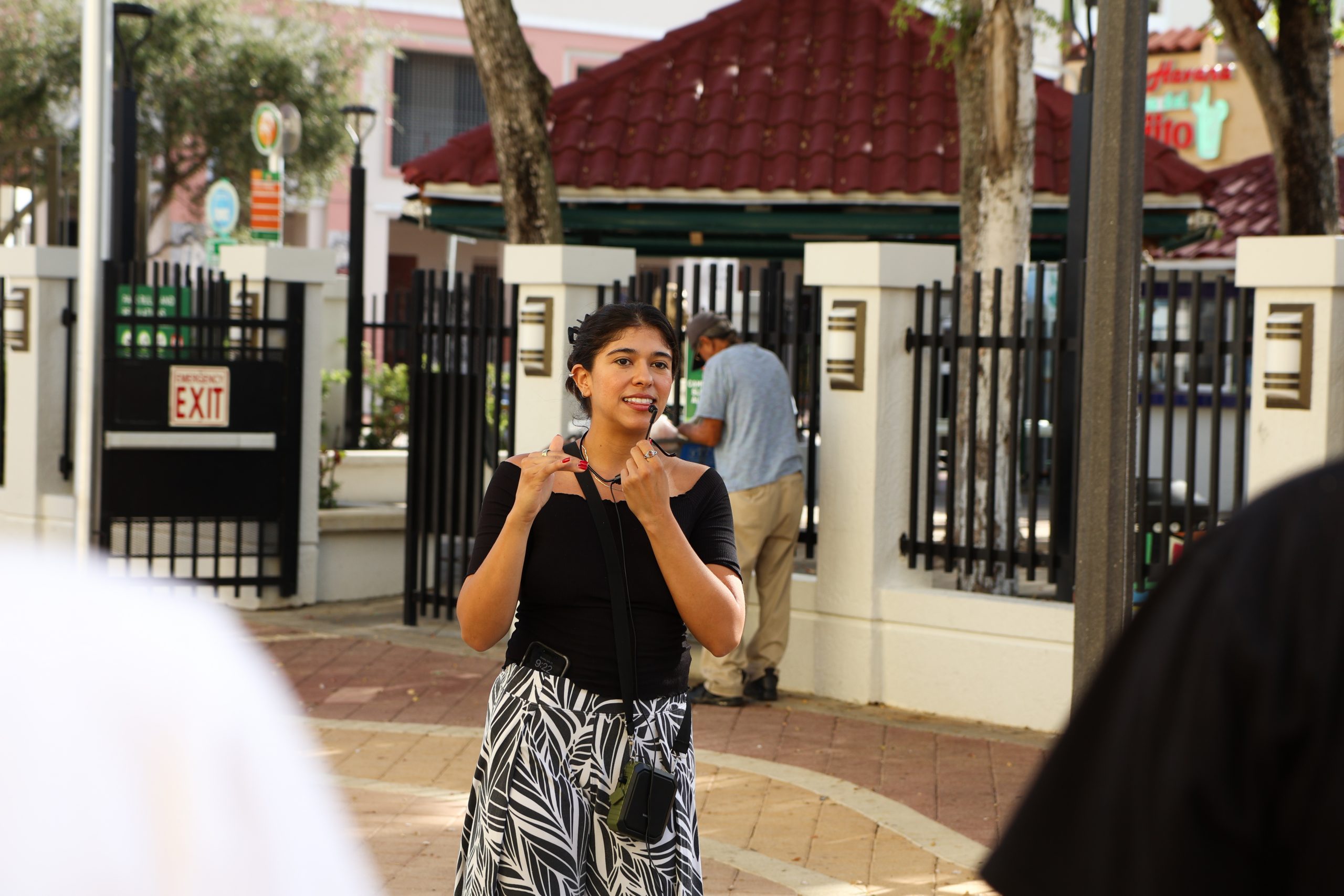
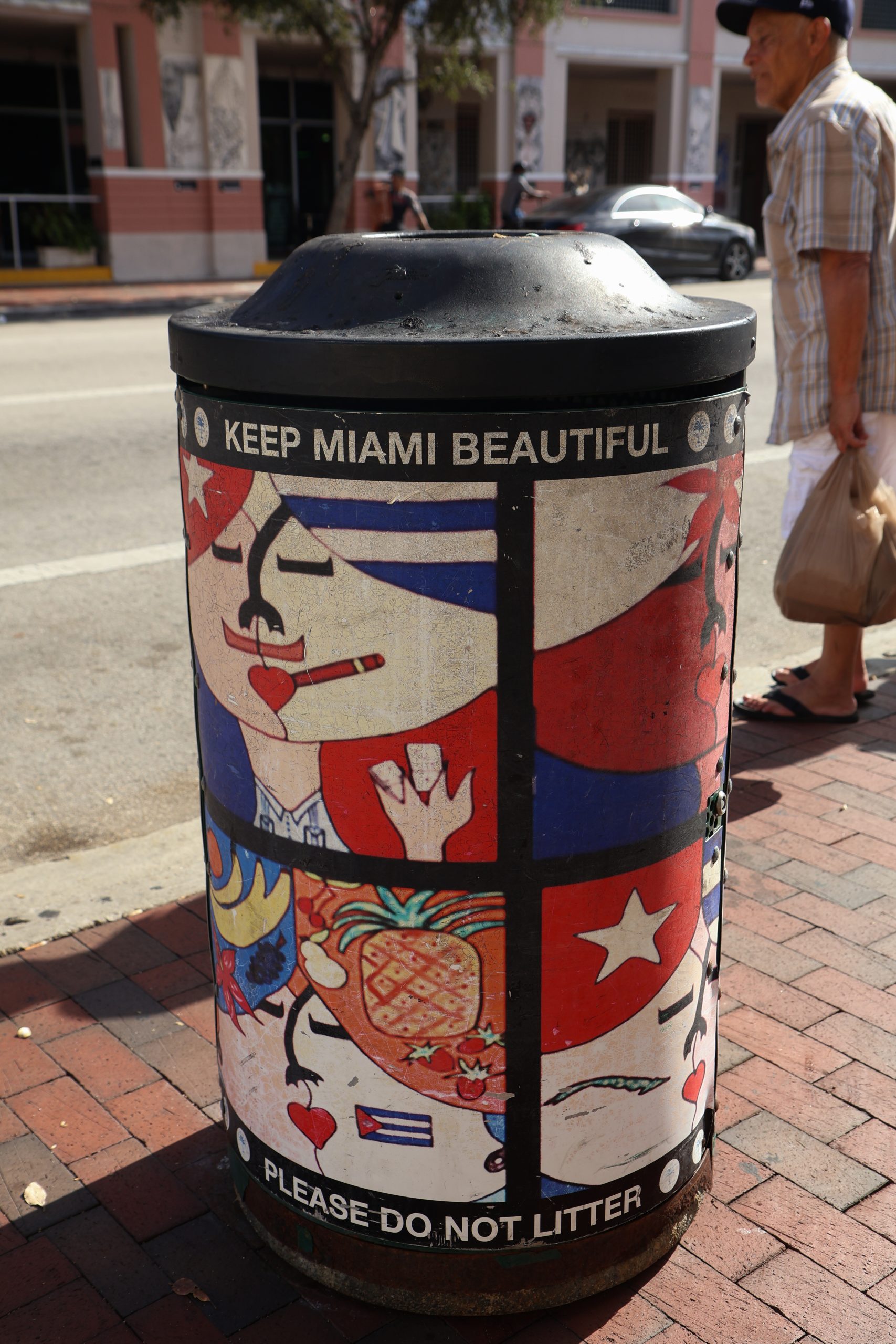
The walking tour highlighted Little Havana’s colorful murals, stories of immigration, and its role as a gathering place for Cuban exiles who helped shape Miami’s identity. Participants saw firsthand why this neighborhood is culturally important and why protecting its streets and public spaces matters.
The Little Havana Walking Tour Cleanup was the first of four cleanups we hosted throughout the summer. Each one created opportunities to restore beauty, raise awareness, and bring people together. We are grateful to everyone who showed up, rolled up their sleeves, and helped make this possible. Little by little, we worked together to build a more resilient Miami.